Institutional Context and Governance
Green River College (GRC) is a public, comprehensive community college serving the educational needs of South King County and the surrounding region. The college began in 1945 as an adult evening education program within the Auburn School District. In 1963, the State Board of Education approved the establishment of Green River as a community college, and by 1964 the institution began offering technical and professional programs. The college’s main campus has been located on its current 250-acre, wooded hilltop site in Auburn, Washington, since 1965.
Over time, Green River College has expanded its mission and capacity in response to evolving community needs. In addition to its main campus, the college operates branch locations in Kent, Enumclaw, and downtown Auburn, extending access to education across its service area. In 2014, the college officially changed its name from Green River Community College to Green River College to better reflect the breadth of its academic offerings.
Green River College offers a range of educational pathways, including transfer programs, career and technical education, applied baccalaureate degrees, transitional studies, and community and continuing education. While the college primarily awards associate degrees, it also offers a select number of bachelor’s degree programs designed to meet regional workforce needs and provide applied pathways to advanced credentials.
The college serves an unduplicated student population of approximately 14,900 students, including international students and Running Start participants. Green River’s student body reflects the diversity of the region and includes recent high school graduates, adult learners, dual-credit students, and individuals pursuing career advancement or transfer to four-year institutions. This diversity informs the college’s priorities and underscores its commitment to access, equity, and student success.
Green River College is a public, open-access institution authorized by the State of Washington and governed through established leadership and shared governance structures. Institutional planning, assessment, and regular evaluation guide the college’s mission fulfillment, academic programs, and student support services, ensuring effectiveness, accountability, and continuous improvement.
At the center of Green River College’s work is a commitment to creating a student-centered learning environment where all students feel a sense of belonging and are supported in achieving their educational and career goals. Through intentionally designed academic programs and comprehensive support services, the college promotes learning, persistence, and completion while preparing students to succeed in a diverse and changing society.
Executive Leadership
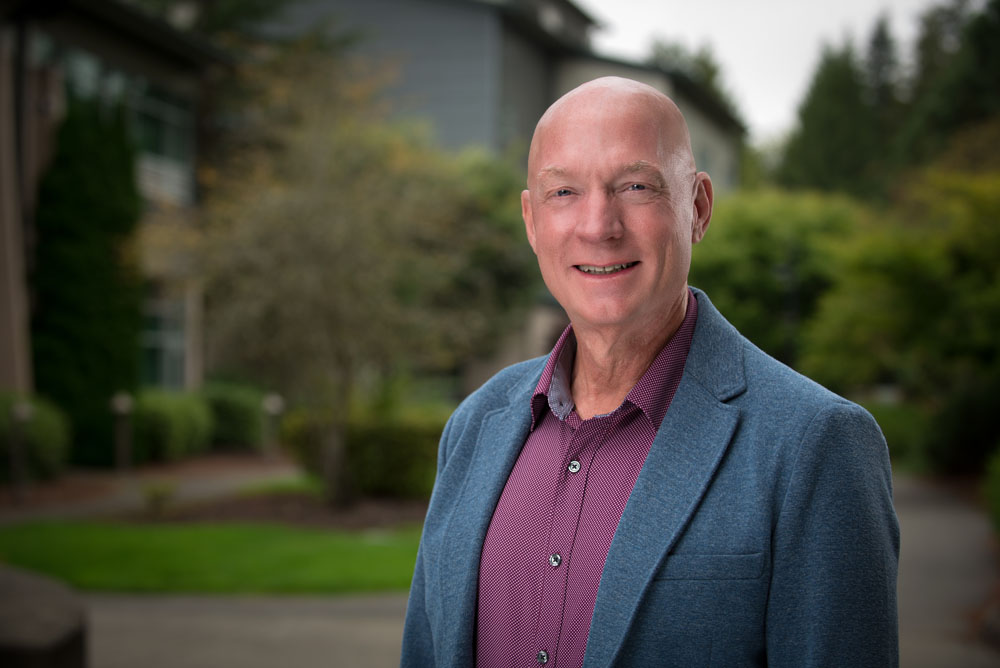
George Frasier
Vice President for College Advancement
Executive Director, Green River College Foundation
Office: ZC 111B
Extension: 3338
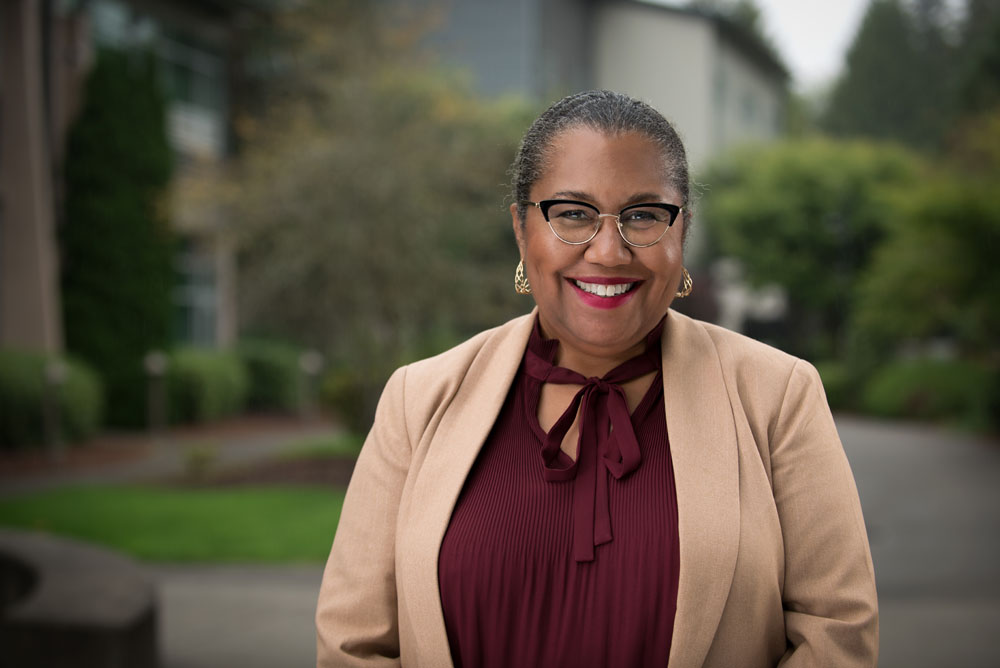
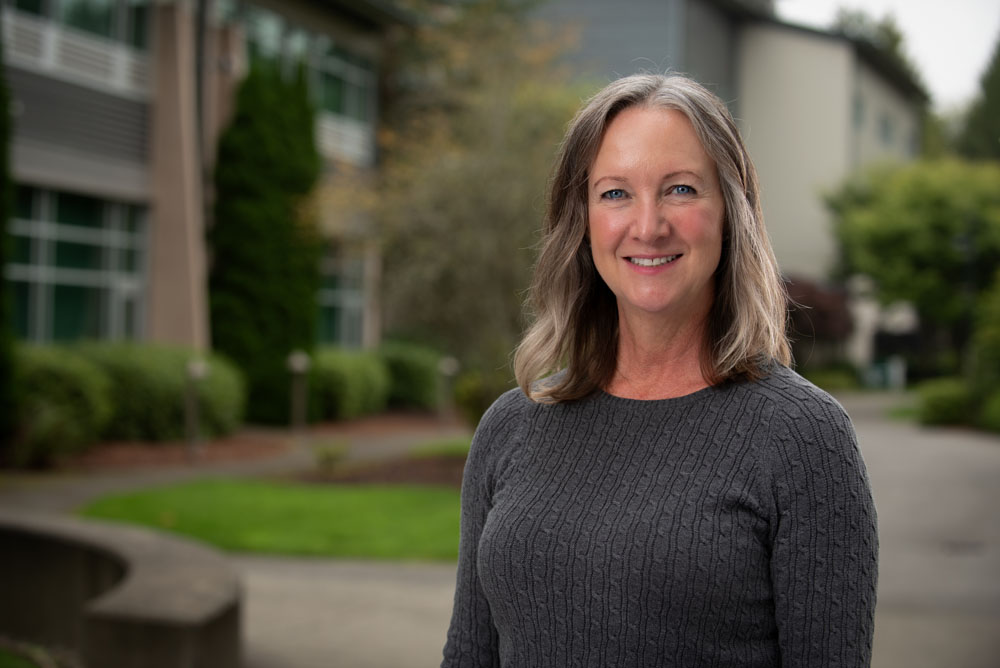
Cathy (Kit) Alston
Vice President of Equity, Diversity, and Inclusion
Office: Zgolinski Center (ZC) 120E
Extension: 3337
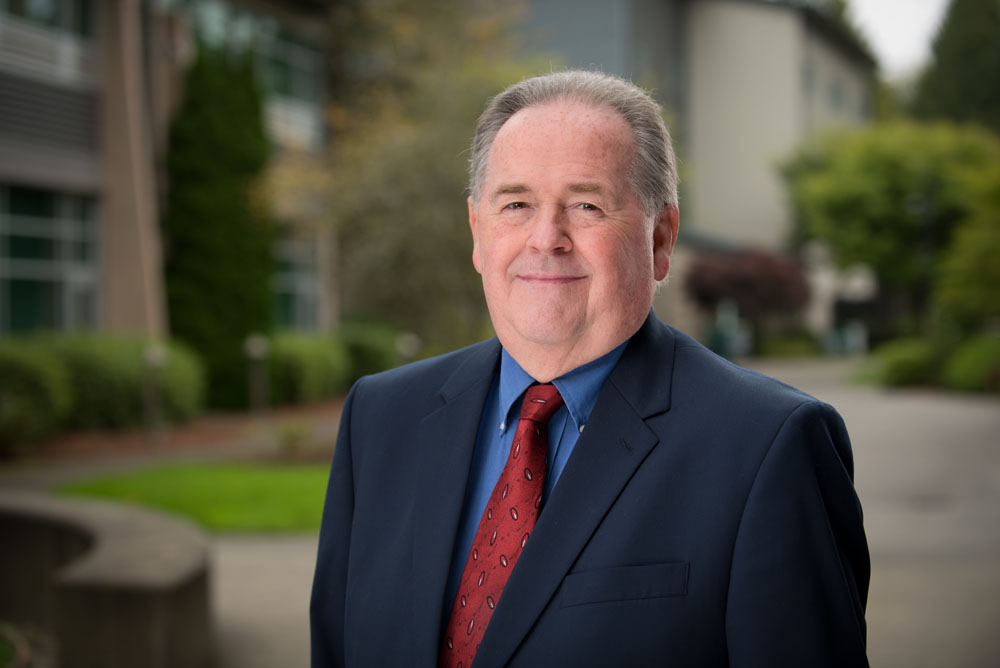
Dan Holverson
CIO - Executive Director of Information Technology
Office: HLB 120
Extension: 6050
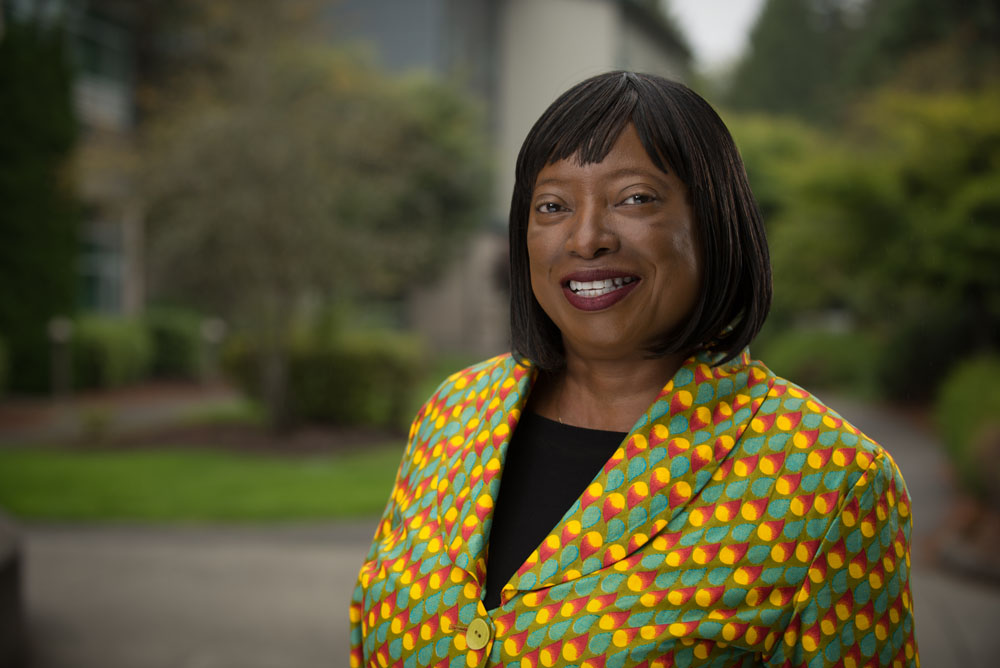
Miriam Chitiga, PhD
Executive Director of Institutional Effectiveness
Office: HLB 122B
Extension: 3317

Jaime Fitzgerald
Interim Vice President of Instruction
Office: SH 120-10
Extension: 6814
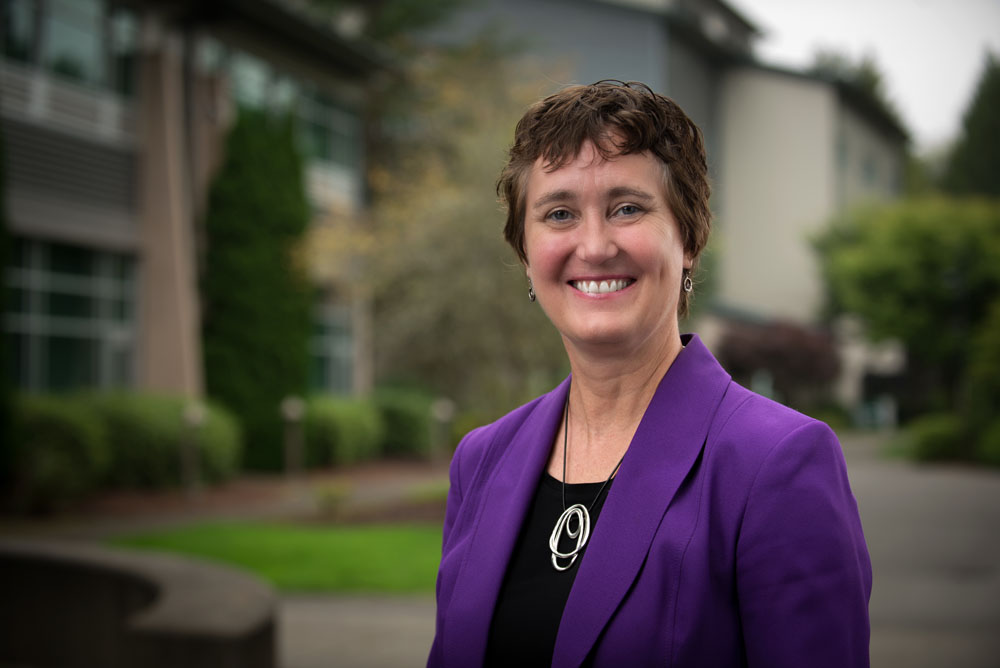
Dr. Wendy Stewart
Vice President of International Programs & Extended Learning
Office: IVD 112
Extension: 3313